Winter Garage Door Maintenance Checklist for Calgary Homeowners
A simple winter checklist can help Calgary homeowners notice garage door concerns before they become an access or safety problem.
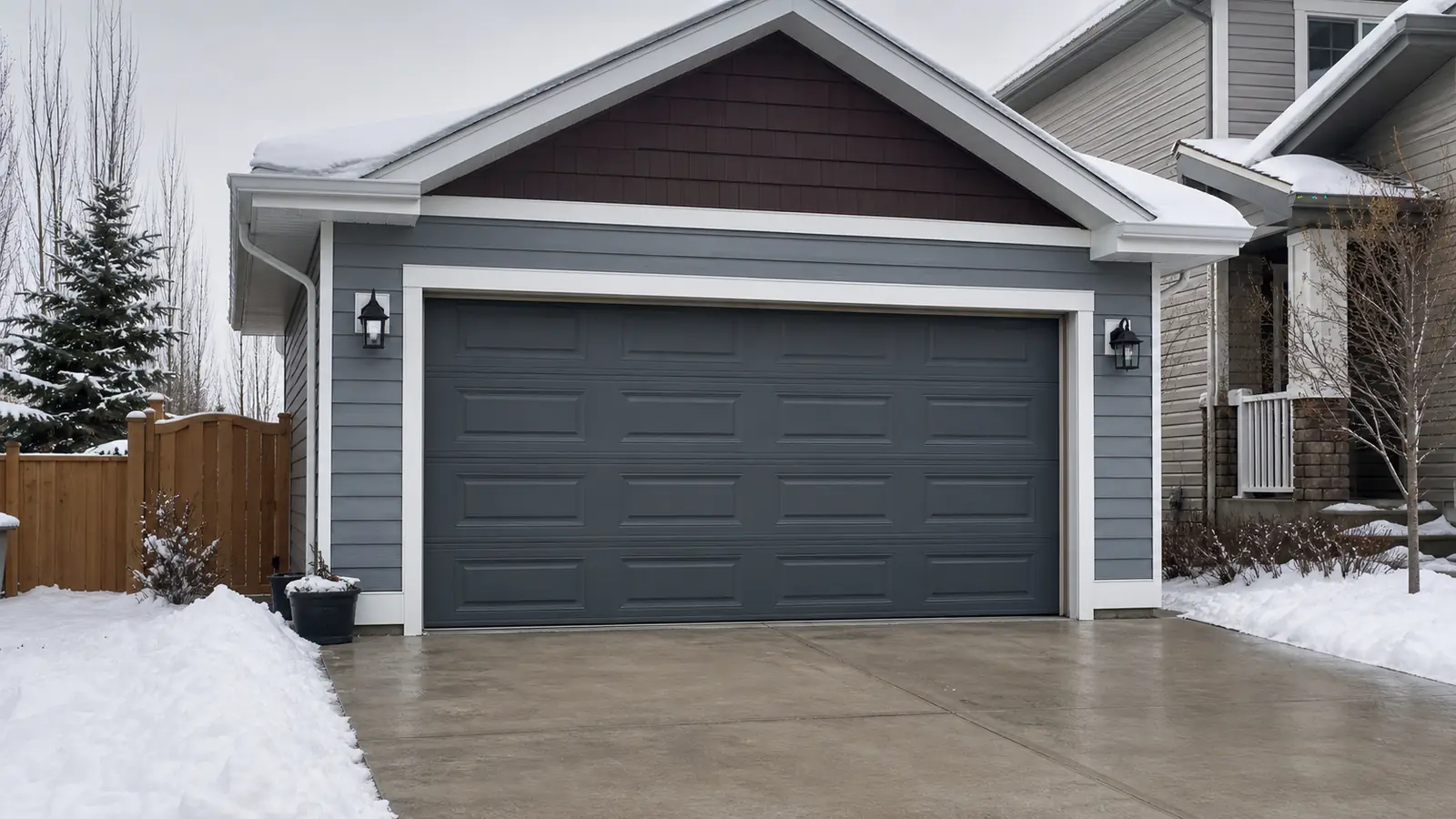
A garage door problem can interrupt a normal day quickly. This guide focuses on winter garage door maintenance for Calgary homeowners and gives Calgary homeowners a practical way to describe the situation without taking risks. During winter, a door may sound different, move less smoothly, or be affected by snow, ice, moisture, and everyday use around the opening.
Garage Door Fix Calgary handles repair requests directly for Calgary homeowners. The goal of this article is not to turn a homeowner into a repair technician. It is to help you decide when it is sensible to stop using the door, keep the area clear, and request appropriate help.
Start with the door's current position
Before looking for a cause, notice the door's position. Is it fully closed, fully open, partly open, level, or visibly out of place? That description matters because a partly open, crooked, or unstable door should not be treated like a minor convenience problem. It may affect access, security, and safety around the opening.
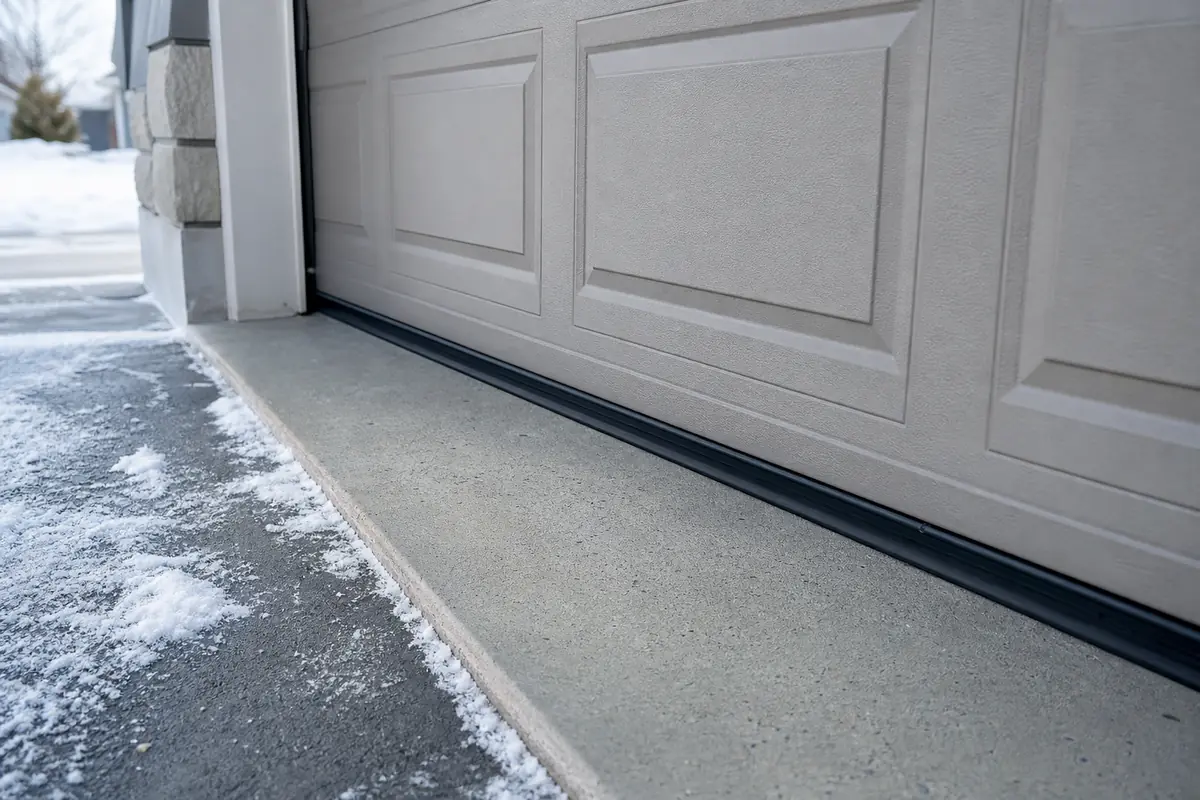
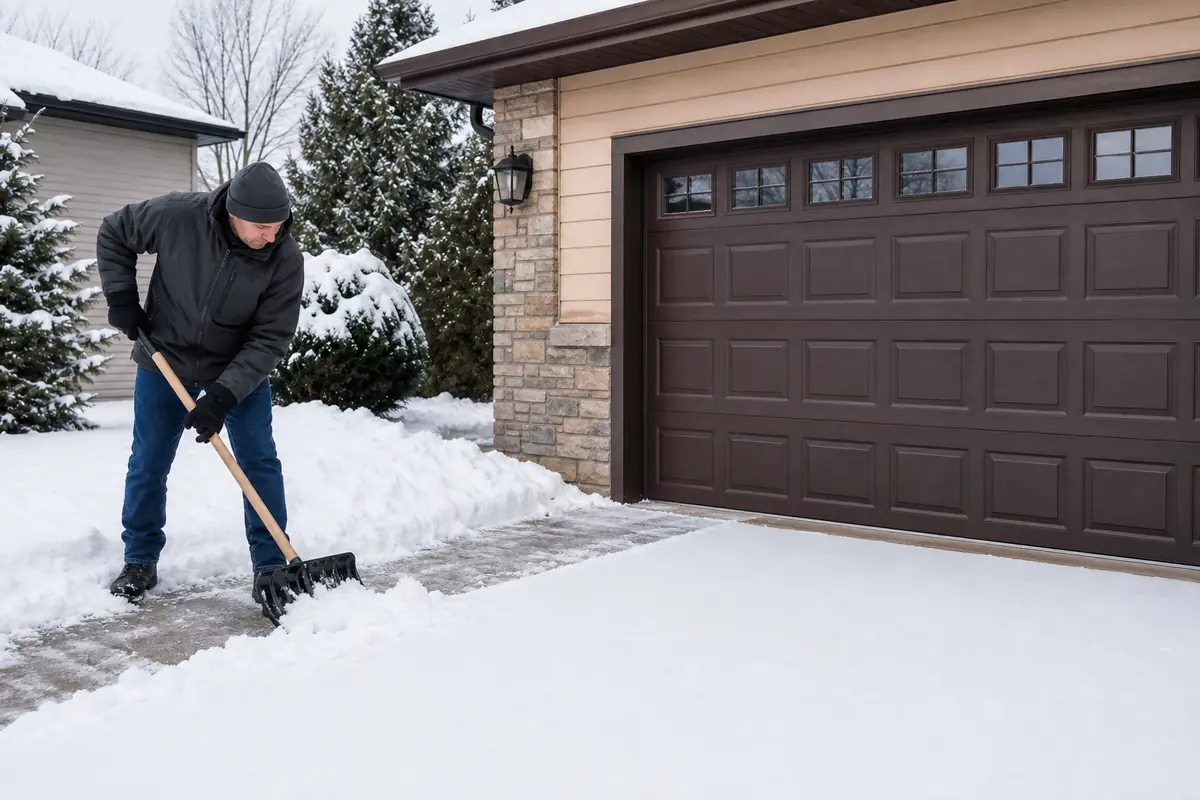
Check that the driveway approach and door threshold are clear, listen for new noises, and watch from a safe distance for uneven travel. Note visible wear at the lower seal and any change in how the opener or door responds.
If the door is open or partly open, do not stand beneath it to get a closer look. Keep children, pets, vehicles, and loose items out of the travel area. A clear space gives a repair professional better information and reduces the chance that an ordinary observation becomes a risky attempt to intervene.
What this symptom can and cannot tell you
A seasonal check is not a substitute for repair. Its value is in noticing a change early and keeping the door path clear rather than trying to adjust mechanical parts.
Garage doors work as a connected system. A visible symptom can be related to more than one part, and a homeowner cannot always see the condition of every component. It is useful to record the sequence: what happened first, what control was used, what sound occurred, and whether the door moved at all. It is not necessary to name the failed part.
Avoid treating a temporary change as proof that the problem has gone away. A door that works once after several attempts may still need attention. Repeated operation can add strain to a system that is already binding, unbalanced, or damaged.
Safe observations homeowners can make
You can make a short, low-risk observation from a safe position:
- Check whether the doorway and floor area are clear.
- Note whether the door is closed, open, partly open, level, or visibly damaged.
- Listen for a new hum, scrape, bang, grinding sound, or uneven movement.
- Compare the visible response from the remote and wall control only when the door path is clear.
- Look from a distance for a loose-looking cable, bent track, or roller that is not following its normal path.
- Write down the time, the door position, and anything that changed immediately before the issue.
These observations are meant to improve a repair request, not to create a do-it-yourself diagnosis. They also help avoid conflicting information when more than one household member has tried the door.
What not to force
Do not chip ice from door hardware, force a frozen or binding door, pour products onto electrical components, or adjust springs, cables, tracks, or opener settings.
Forcing a heavy door or repeatedly operating an opener can turn one issue into several. It can also make the door less predictable. If you are unsure whether it is safe to use, the cautious choice is to pause and describe the situation in a repair request.
Do not rely on online videos that show tensioned or load-bearing garage door work without knowing the exact system in front of you. A video cannot assess the current condition of a door, its hardware, or its balance. Professional repair is appropriate when the issue involves movement, tensioned parts, damage, or a door that cannot be operated normally.
When to request repair help
If the door will not move normally, is stuck, looks uneven, or makes a new harsh noise, stop operating it and request repair advice.
Requesting help early does not commit you to a particular repair. It gives Garage Door Fix Calgary the information needed to understand the concern and discuss an appropriate next step. Describe the door position, urgency, whether a vehicle is affected, and any visible change you noticed. Avoid claiming a specific failed part unless it has been confirmed.
The following existing pages may also help you describe the problem: Garage door repair, Door stuck closed repair, Garage door opener repair. If the door is stuck or the situation affects safe access to the home, include that clearly in the request.
Why a clear description helps
Garage door repairs are easier to assess when the starting information is simple and accurate. “The door is noisy” is useful, but “the door began scraping near the lower track and now stops before closing” gives more context. The same is true for an opener that hums, a door that reverses, or a panel that looks different after an impact. A clear description avoids assumptions and helps focus attention on the part of the system that needs to be inspected.
It is also reasonable to say what you do not know. Most homeowners do not know the name of every roller, cable, spring, sensor, or opener component. Guessing can send the conversation in the wrong direction. A practical repair request explains what you saw, heard, and tried safely, then leaves the technical assessment to the repair professional.
Keep the household routine safe
Until the door has been assessed, plan around its current condition. Use another safe entrance when practical, keep vehicles out of an uncertain door path, and let household members know that the door should not be tested repeatedly. If the door is open or partly open, do not treat it as a normal shortcut. The right response depends on its position and condition, which is why the repair request should mention access and security concerns clearly.
For Calgary homeowners, a direct repair request is a more useful next step than trying multiple fixes from different sources. Garage Door Fix Calgary can review the reported symptoms and handle the repair work directly. This approach keeps the content honest: no exact diagnosis, price, arrival time, or guarantee is promised before the real door condition is known.
A practical request checklist
When you contact Garage Door Fix Calgary, include the make or age of the opener only if you know it, along with the door position, visible damage, and the behaviour you observed. A short, accurate description is more useful than a long theory. For example: “The door is closed, the remote and wall control both start a hum, but the door does not move.”
If a photo is requested or a secure photo option is available, take it from a safe distance with the entire door or the relevant visible area in view. Do not climb, reach over a door, or move close to tensioned components just to capture an image. Your safety matters more than a detailed photo.
The next step
Winter garage door maintenance for Calgary homeowners is worth addressing with a calm, clear process. Keep the area clear, stop when the door is not behaving normally, and request help rather than forcing a result. Garage Door Fix Calgary can review the details you provide and handle the repair work directly.
Use the Garage door repair cost questions when you are ready to share the door status and concern. There is no need to promise an outcome, estimate a repair from a distance, or keep testing a door that appears unsafe.
How to use this Calgary repair guide
Use this article as a plain-language reference for describing a garage door problem before requesting service. The most helpful details are the door position, what changed, what sounds or movement you noticed, and whether the issue affects access, weather exposure, or home security.
If the article describes springs, cables, rollers, tracks, opener behavior, sensors, or a stuck door, avoid forcing the opener or touching tensioned hardware. A safe request can explain what happened from a distance without asking a homeowner to inspect dangerous parts.
Calgary conditions can change the symptoms. Snow, ice, freeze-thaw moisture, cold hardware, old seals, and repeated opener attempts can all affect how a garage door moves. Mention weather or timing details if they seem connected to the issue.
Calgary garage door service context
Garage door symptoms can overlap. A noisy opener can be related to a door balance problem, a stuck door can involve springs or cables, and a door that reverses can involve sensors, travel settings, weather, or track resistance. Use the article topic as the starting point, then compare it with the related service pages before sending a request.
A stronger request gives Garage Door Fix Calgary the practical details needed to understand the issue: Calgary community or postal code, door position, opener response, visible damage, urgency, and whether access or home security is affected. Those details are more useful than repeating a keyword or guessing the failed part.
For safety, keep people and vehicles away from a crooked, heavy, partly open, or unstable door. Do not adjust springs, wind cables, force rollers back into tracks, bypass sensors, or keep pressing the opener when the door is straining.
Frequently asked questions
When should I stop using the garage door?
Stop using the door when it does not move normally, looks uneven, is stuck, or creates a safety concern. Describe the situation in a repair request instead of forcing it.
What details should I include in a repair request?
Include the door position, visible changes, sounds, control response, and whether access or security is affected. Do not guess at a part unless it has been confirmed.
Helpful internal links
Request garage door repair help in Calgary
Garage Door Fix Calgary provides clear repair information, privacy-conscious request handling and practical follow-up for Calgary homeowners.